


London Climate Action Week has become one of the most important moments in the global climate calendar. It brings together policymakers, investors, NGOs, founders, corporates and media from around the world, all trying to shape the future conversation on climate.
Every year, hundreds of organisations arrive with ambitious announcements, technical innovations and worthy missions. But in a crowded week full of panels, launches and networking events, simply showing up is no longer enough.
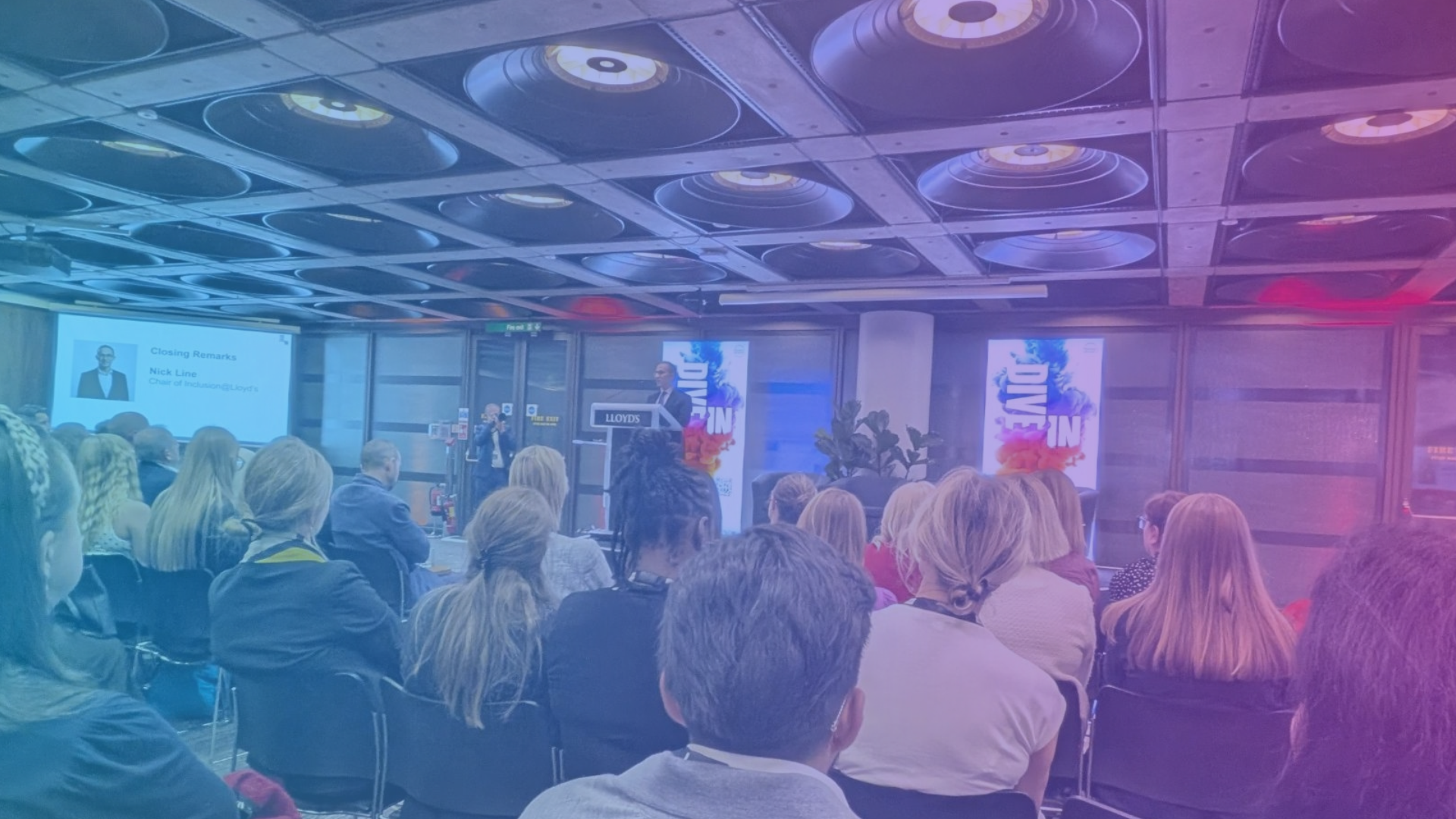
At Wilful, we work with organisations across climate, sustainable finance, biodiversity and the energy transition. Last week we hosted a session at Sustainable Ventures to give our tips on how to show up at London Climate Action Week. Here’s some of our key takeaways:
Start with focus, not visibility
One of the biggest misconceptions around London Climate Action Week is that success means being everywhere. The secret is being selective.
Are you trying to attract investors? Influence policy? Build partnerships? Raise your founder profile? Position your business as a category leader? Those are very different communications objectives and they require different approaches.
A smaller roundtable with the right people may be more valuable than speaking on a crowded flagship panel. A sharp LinkedIn commentary series can sometimes generate more traction than a press release. Journalists are now actively following conversations on LinkedIn and speaking to experts who have the most credible views, so showing up there matters.
Align with the conversation already happening
The businesses that generate attention during climate moments are rarely speaking in isolation. They understand how to connect their expertise to the issues people are already discussing.
That doesn’t mean chasing headlines or forcing relevance where it doesn’t exist. But it does mean understanding the news agenda and knowing where your perspective adds value.
Journalists, event organisers and audiences are all looking for commentary that feels timely, useful and connected to the real-world conversation.
Some of the most successful organisations during LCAW are the ones that start building visibility weeks in advance, not through endless self-promotion, but through visible participation in the conversation. That might mean publishing opinion pieces, commenting on emerging issues, sharing sector insight, engaging with industry voices online or building a more recognisable founder profile. We recently helped our client FSDA Africa, ‘show up’ ahead of an important industry event through a targeted and timely op-ed in Devex that did just this- aligned with the news agenda and cemented a strong point of view.
Increasingly that visibility extends far beyond traditional media. Podcasts, LinkedIn, newsletters, broadcast interviews and creator-led content now play a major role in shaping influence during climate moments like LCAW. Here’s a few of our favourites to follow right now: Sustainable Founders Podcast, Earth Set Newsletter & Podcast, David Robert from Volts, Bill McKibben from The Crucial Years, Hannah Ritchie from By the Numbers,
Strong visuals still win attention
One thing that’s consistently underestimated in climate communications is the power of a good picture.
During London Climate Action Week, attention is fragmented across hundreds of events, announcements and social posts. A strong visual can often cut straight through the noise.
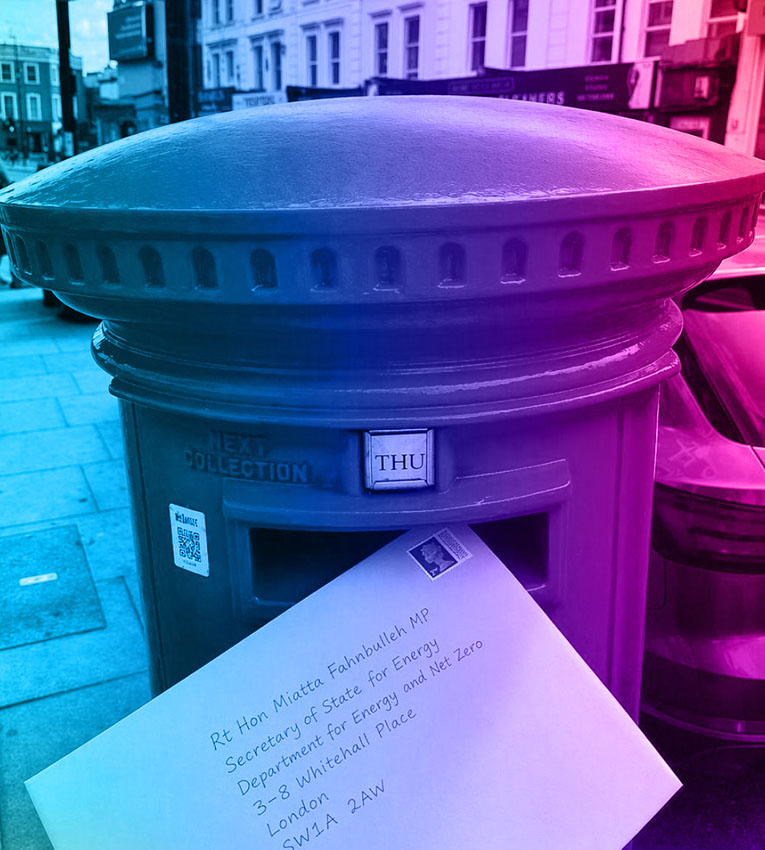
That doesn’t necessarily mean huge budgets or elaborate stunts. Sometimes it’s a bold installation, a clever billboard, a well-timed photo opportunity or simply an idea people instinctively want to share.
And don’t forget humour! Climate communications can often default to seriousness, technical language and corporate polish. But audiences remember campaigns that surprise them or make them smile. Used carefully, humour can be one of the most effective ways to make a message feel accessible and memorable in an otherwise crowded space.
The businesses people remember usually stand for something
Too many businesses make the mistake of focusing on what they do, but not enough on why their perspective matters right now. That distinction is often what determines whether your message lands, with media, investors or potential partners.
There’s also a growing “sameness” in sustainability communications. You don’t have to look hard to find 100 or more organisations using identical language around “innovation”, “impact” and “accelerating transition”.
The truth is that audiences are looking for something more human. The brands creating momentum tend to communicate with clarity and with personality. They understand that people connect with beliefs and perspectives, not just technical capability.
At a time when everyone is competing for attention, having a clear position is often far more powerful than trying to appeal to everyone.
If you’d like to speak to us about how you can show up at London Climate Action Week, just drop us a line via our Contact page.